Okavango in the Secret Season
When the Okavango floods in June, the delta transforms into something otherworldly. I spent ten days on a private mobile camp following the water — and found the Africa that changes you.
The mokoro slid silently through papyrus reeds, the only sound the gentle drip of water from the guide's pole. Ahead, a bull elephant waded hip-deep, unbothered by our presence, pulling bundles of water lilies to his mouth. This is the Okavango Delta in June — flooded, teeming, impossibly alive.
Timing Is Everything
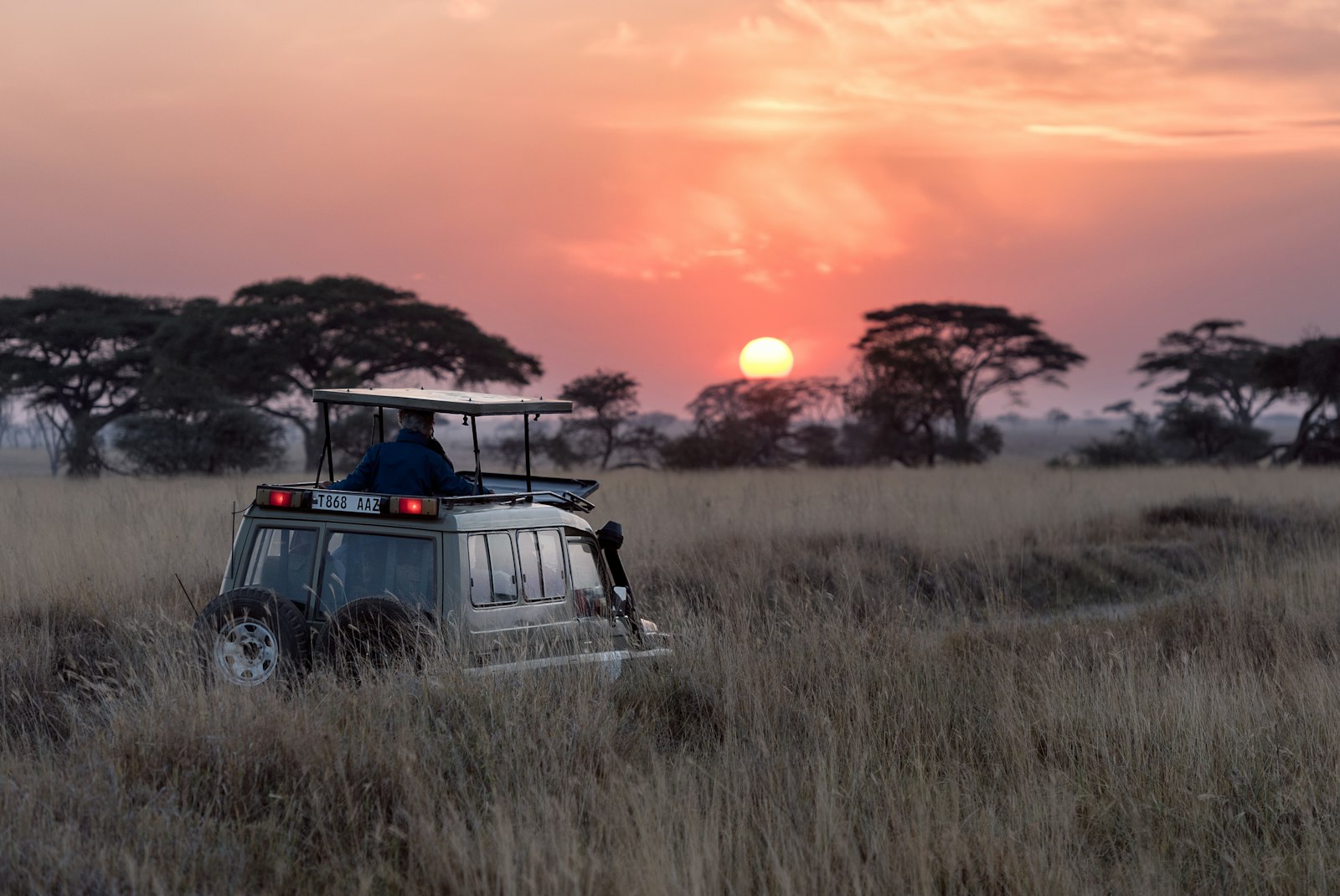
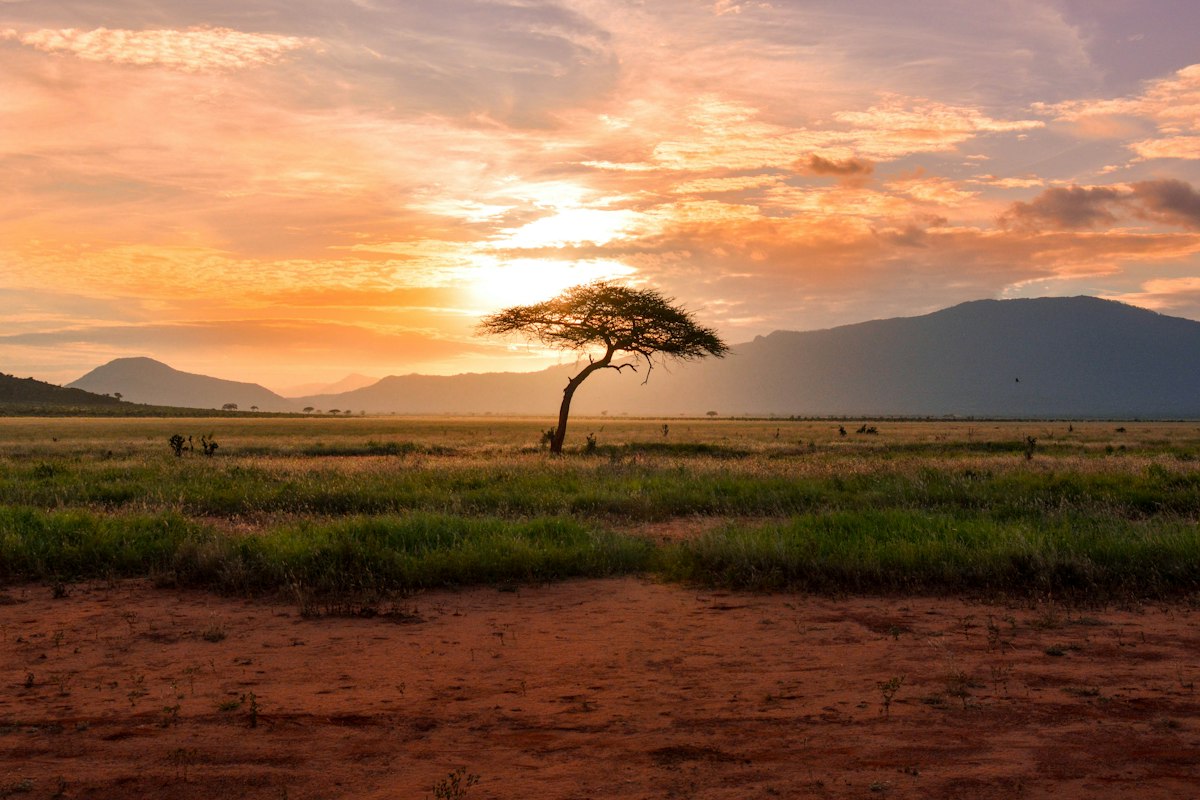
Most travelers visit Southern Africa in the dry season, July through October, when animals cluster at waterholes and game viewing is predictable. The secret season — when the Okavango is at its peak flood — offers something rarer: the delta as a water world. Islands appear and disappear. Channels shift. Wildlife is everywhere and nowhere at once.
The best Africa travel doesn't give you animals on a stage. It puts you in a world where you're briefly a guest, trying not to disturb.
We flew into a private airstrip in the Moremi Game Reserve and transferred by speedboat to our mobile camp — four canvas tents on raised platforms, a dining tent, and a fire that burned every night until we went to sleep. The camp moved twice during our stay, following the game, following the water.
The Camps I Trust
After eighteen years in this business, I've slept in most of the camps across the Okavango. The ones I recommend have three things in common: guides who grew up near the bush, kitchens that cook as if they mean it, and a philosophy of low impact. The best don't build permanent structures in the delta — they move with the seasons.
For this trip, I placed my clients at two properties — one permanent luxury camp on a private concession, one mobile operation that shifts monthly. The contrast is instructive. Permanent camps offer consistency; mobile camps offer intensity. The right balance depends entirely on who you are.
About the Advisor